
A Letter From Our Founder
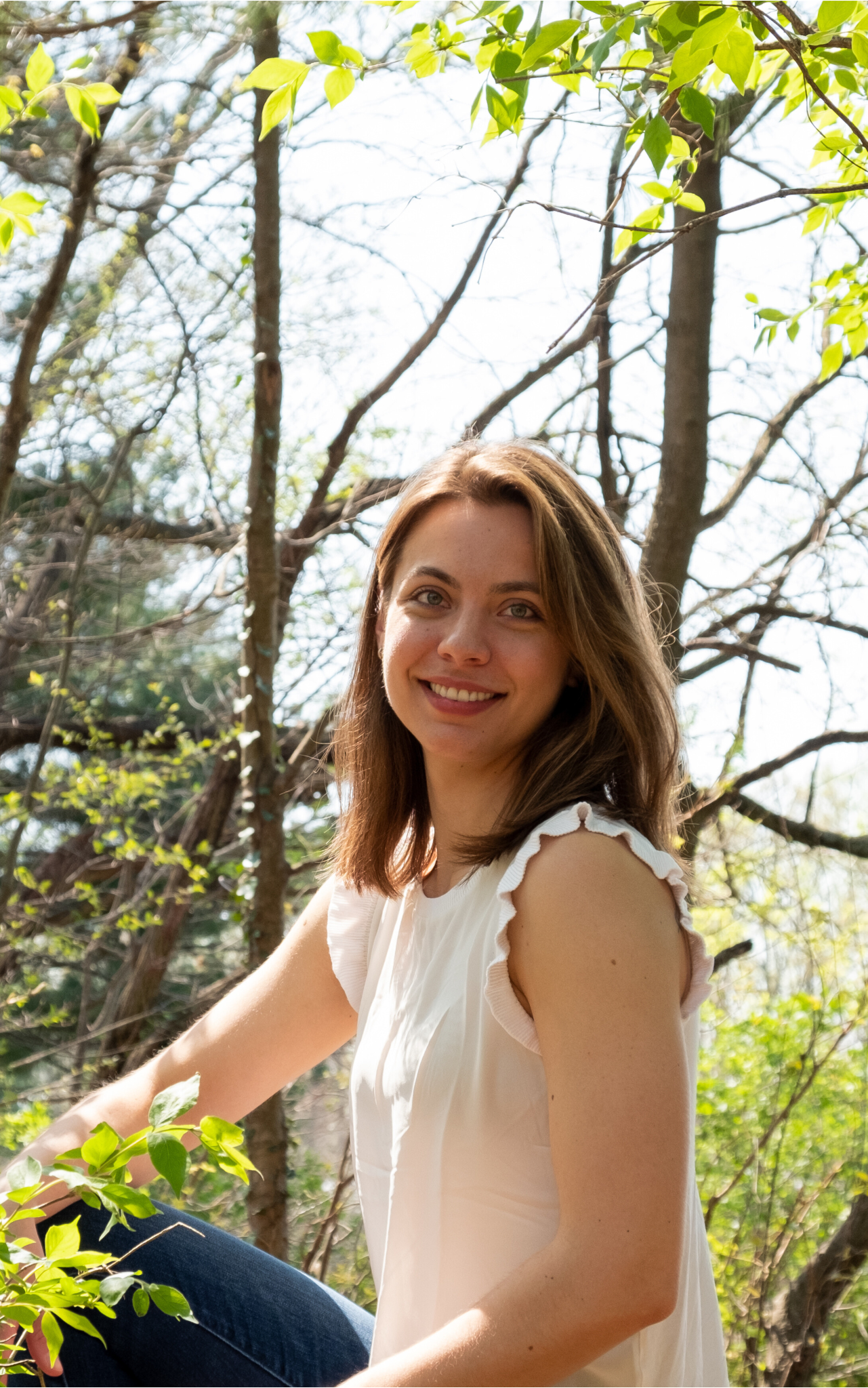
As the practice grew, it became clear that this work is too meaningful—and too demanding—to do alone. I envisioned a group practice built around collaboration, connection, and shared values, where therapists are supported just as intentionally as the clients we serve. Having spent time in environments where burnout was normalized and care for clinicians was secondary, I was committed to doing things differently.
This practice was founded with the belief that sustainable, effective therapy happens when therapists feel valued as people. That means creating a work culture rooted in respect, open communication, and balance—where clinicians can grow, feel connected, and bring their full selves to the work without sacrificing their own well-being.
Today, our team is made up of thoughtful, skilled therapists who share a passion for helping people navigate life’s turning points. While we each bring different perspectives, training, and specialties, we are united by a belief in meaningful change, honest conversation, and the power of therapy during times when life asks us to evolve.
Together, we’ve created a warm, supportive, no-drama environment where clients and therapists alike can feel grounded, challenged, and genuinely cared for.
Ballast was founded out of a belief that there are certain moments in life when we realize—sometimes abruptly, sometimes painfully—that the ways we’ve been coping just aren’t working anymore. These moments often occur during major transitions: adolescence, early adulthood, or later-life changes when roles, identities, or expectations shift. I wanted to create a space specifically for teens, young adults, and adults who find themselves at these crossroads and need support making sense of what comes next.
In my work, I consistently saw clients arrive at these moments of reckoning—students overwhelmed by academic and social pressure, young adults questioning who they are and where they’re headed, and adults navigating career changes, relationships, parenthood, loss, or retirement. Many shared a similar frustration: they were doing what they’d always done, but it no longer fit. They didn’t need quick fixes or surface-level advice; they needed thoughtful, authentic support from someone who understood the complexity of transition and growth.

Join the Team · Join the Team ·
Join the Team · Join the Team ·
If you’re interested in finding out more about current openings, reach out and let us know.