Can You Be Neurodivergent and Not Autistic?: Understanding Neurodiversity
If you’ve ever wondered: can you be neurodivergent and not autistic, you’re not alone. This is one of the most common and important questions we hear from clients, parents, and young adults trying to make sense of how their brains work. The short answer is yes. The longer answer deserves nuance, warmth, and a deeper understanding of what neurodiversity actually means.
Let’s break it down in a way that’s informative, affirming, and grounded in real clinical understanding.
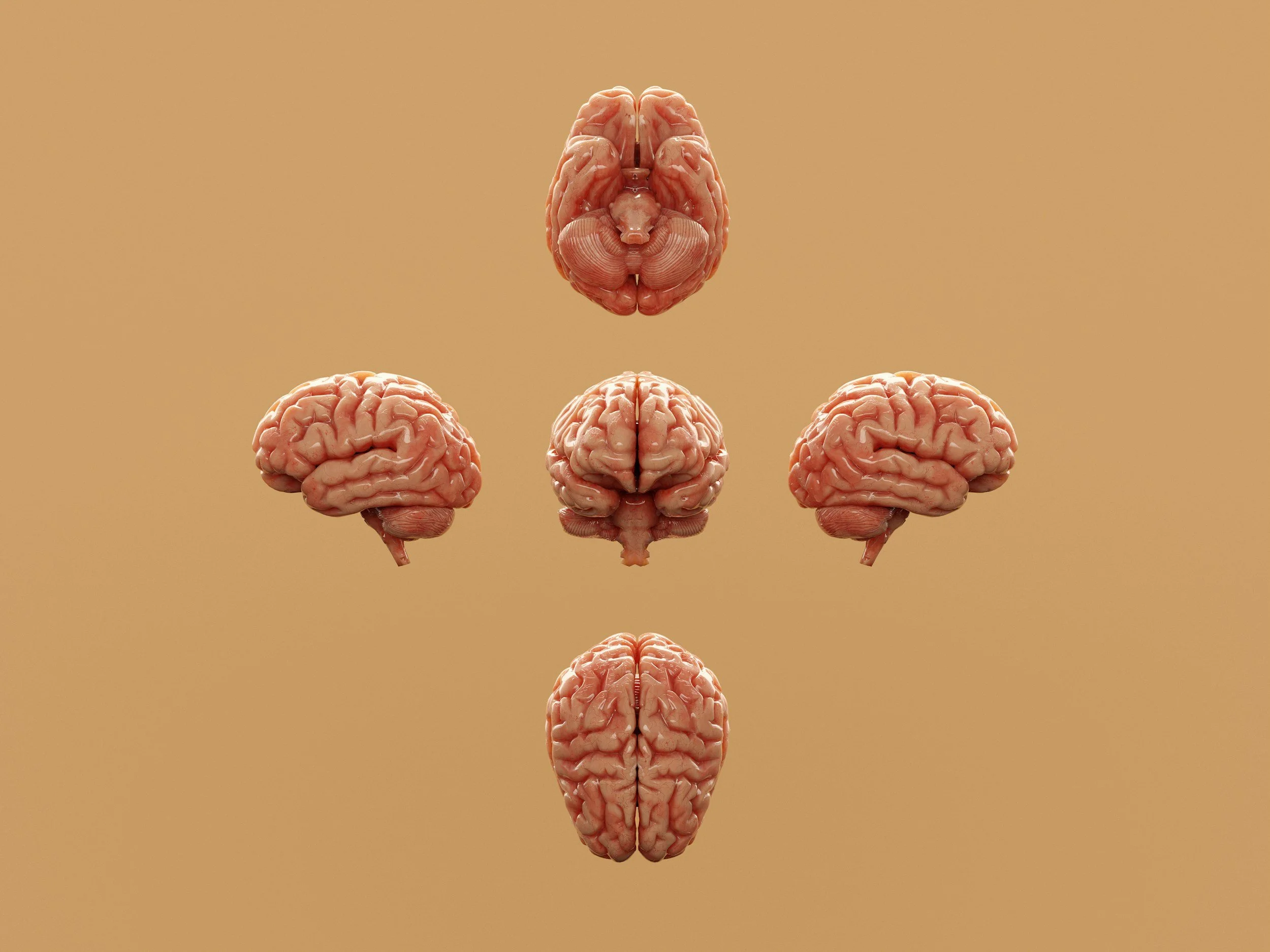
Neurodivergence includes many ways of thinking and processing the world. Some of these differences come with diagnoses, some don’t. Some create challenges, some create strengths, and most create a mix of both.
What Does It Mean to Be Neurodivergent?
The term neurodivergent describes people whose brains function differently from what society considers “typical.” It refers to natural differences in brain functioning, and it’s not a diagnosis or a difference that inherently needs “fixing.” Instead, it’s an umbrella term that acknowledges natural variations in cognition, emotion, learning, attention, and sensory processing.
So when people ask can you be neurodivergent and not autistic, they’re often trying to understand whether being neurodivergent means you need an autism diagnosis. But, that’s not the case.
Neurodivergence includes many ways of thinking and processing the world. Some of these differences come with diagnoses, some don’t. Some create challenges, some create strengths, and most create a mix of both.
What Classifies Someone as Autistic?
Autism, or Autism Spectrum Disorder (ASD), is a specific neurodevelopmental diagnosis defined by criteria in the DSM-5. To be diagnosed as autistic, an individual must show persistent differences in:
Social communication and social interaction
Restricted or repetitive patterns of behavior, interests, or activities
These traits must be present from early development and significantly impact daily functioning. You can read more about the diagnostic criteria for Autism here.
This is why asking can you be neurodivergent and not autistic is so important. Autism is one specific form of neurodivergence, but it is not the only one, and not everyone who thinks or processes differently meets criteria for autism.
Other Forms of Neurodivergence
If autism isn’t the only form, what else counts? Quite a lot, actually.
People who may be neurodivergent include those with:
ADHD
Learning differences such as dyslexia, dyscalculia, or dysgraphia
Tourette syndrome
Sensory processing differences
Social Pragmatic Communication disorder
Intellectual disabilities
Traumatic brain injuries
Certain mental health conditions, depending on context and framework
This is why the question can you be neurodivergent and not autistic comes up so often—many individuals recognize their differences but don’t see themselves reflected in autism descriptions.
You can struggle with focus, emotional regulation, sensory overload, or executive functioning and still not be autistic. Your experience is still valid.
What Does Neurotypical Mean?
Neurotypical refers to people whose cognitive functioning, learning style, and emotional regulation fall within what society considers the standard or expected range.
It’s important to understand that neurotypical does not mean “better,” “healthier,” or “more successful.” It simply describes a different neurological profile.
When someone asks can you be neurodivergent and not autistic, they’re often really asking, “If I’m not neurotypical, where do I fit?” The answer is that there is space for many kinds of minds, and labels should be thought of as tools, not strict boxes.
Why This Question Matters So Much
The question can you be neurodivergent and not autistic isn’t just semantic. It’s deeply personal. For many people, discovering the language of neurodiversity brings relief, self-compassion, and clarity. For others, it brings confusion or fear of being mislabeled.
Understanding that neurodivergence is broad helps reduce pressure to “figure it all out” immediately. You don’t need to claim an identity or diagnosis to deserve support, accommodations, or understanding.
The Importance of Neuro-Affirming Care
Neuro-affirming care means recognizing neurological differences as differences—not deficits. It shifts the focus from “fixing” someone to supporting them in a world that wasn’t designed with their brain in mind.
In neuro-affirming therapy:
Strengths are explored alongside challenges
Coping strategies are collaborative, not prescriptive
Masking and burnout are taken seriously
Identity exploration is supported without pressure
This is especially important for people who ask can you be neurodivergent and not autistic, because many have been overlooked, misunderstood, or told they’re “too much” or “not enough” for a diagnosis.
Good care meets you where you are.
You Don’t Need a Label to Be Valid
One of the most important things to know is this: whether or not you ever receive a diagnosis, your experience is real.
Some people eventually learn they are autistic. Some discover ADHD later in life. Some simply find that the concept of neurodivergence explains why certain environments feel harder and certain supports feel life-changing.
If you’re still asking, can you be neurodivergent and not autistic, the answer remains yes—and you’re allowed to take your time understanding what that means for you.
Final Thoughts
Neurodiversity reminds us that there is no single “right” way for a brain to work. Autism is a vital and valid part of that conversation, but it is not the whole story.
So, can you be neurodivergent and not autistic? Absolutely. And whether you’re seeking answers for yourself, your child, or someone you care about, curiosity and compassion are the best places to start.
You deserve care that sees the whole you—not just a label.
-
Yes. Neurodivergent is an umbrella term that includes many neurological differences, not just autism. Someone can be neurodivergent due to ADHD, learning differences, sensory processing differences, or other neurological variations without meeting criteria for autism.
-
Yes. ADHD is one of the most commonly recognized forms of neurodivergence. It affects attention, impulse control, emotional regulation, and executive functioning, and it can look very different from person to person.
-
Neurotypical describes individuals whose cognitive functioning, communication style, and sensory processing align with societal expectations and norms. It’s a descriptive term—not a value judgment—and it doesn’t mean someone is more capable or healthier.
-
Exploration often starts with noticing patterns—sensory sensitivities, burnout, masking, attention differences, or social fatigue. Working with a neuro-affirming therapist or evaluator can help clarify whether autism, another form of neurodivergence, or a different explanation best fits your experience.