How to Unrot Your Brain: Stop Doomscrolling & Clear Brain Fog
If you’ve ever caught yourself staring at your phone, mindlessly scrolling, and feeling oddly foggy, restless, or empty afterward, you’re not alone. Many people are quietly searching for how to unrot their brains in a world where our attention is constantly being pulled in a hundred directions. Conversations about how to stop doomscrolling and making healthy choices in the new year aren’t just trends—they’re reflections of a very real collective fatigue.
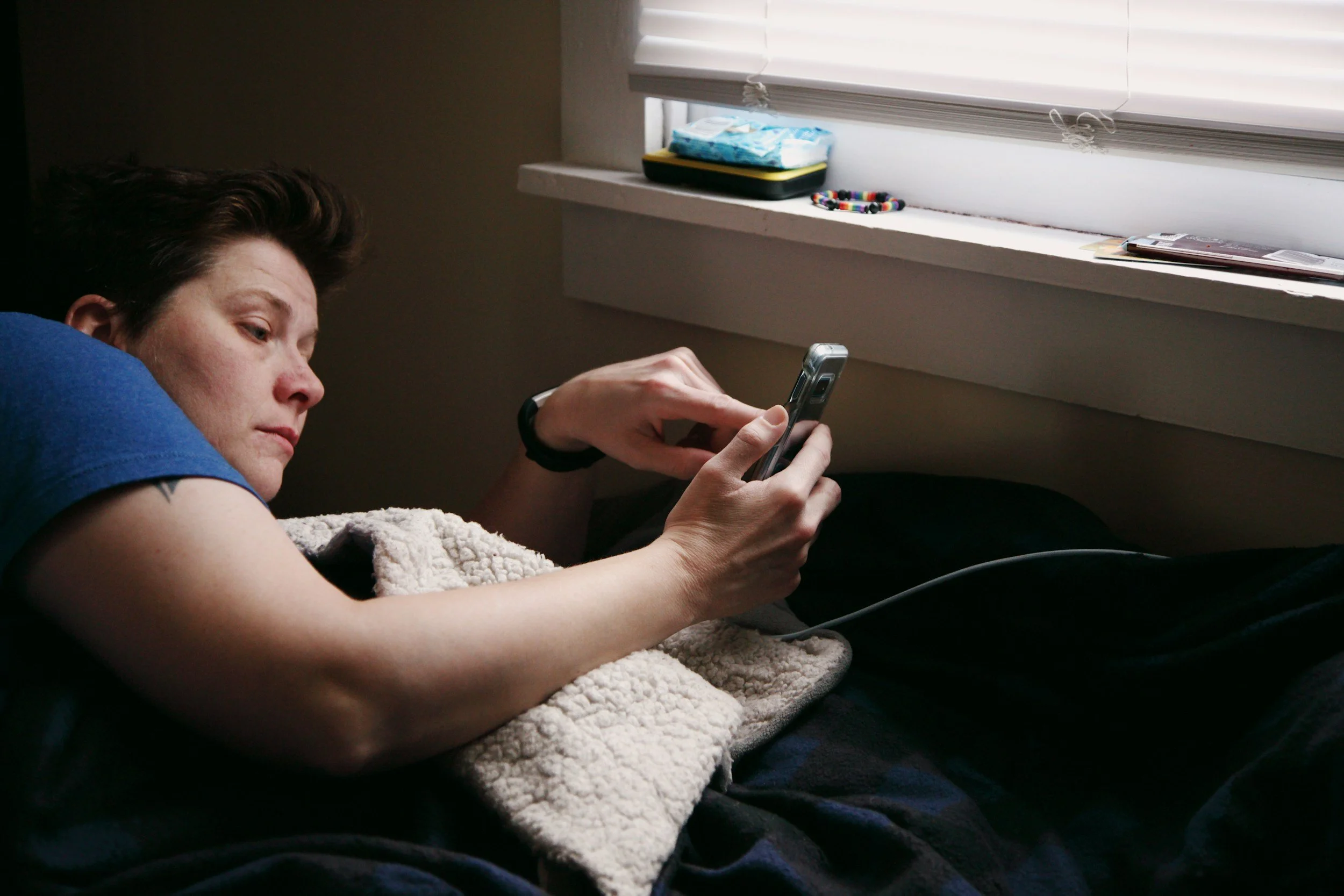
Over time, sustained focus feels harder, and even pleasurable activities like reading or conversation can feel like work
What “Brain Rot” Actually Feels Like
“Brain rot” isn’t a medical diagnosis. It’s a phrase people use to describe feeling mentally dull, unfocused, disconnected, or overstimulated. You might notice difficulty concentrating, jumping from app to app without intention, or feeling uninspired even when you finally have free time. When people ask about how to unrot your brain, they’re often really asking how to feel clear, engaged, and alive again.
This experience doesn’t mean something is wrong with you. It’s a natural response to living in an environment where stimulation is endless and rest is rare. As we try to make healthy choices in the new year, it helps to understand that this fog is less about willpower and more about overload.
Why Our Attention Spans Feel So Fragile
Our brains evolved for depth, not constant novelty. Short videos, endless feeds, and algorithm-driven content train us to expect quick hits of stimulation. Over time, sustained focus feels harder, and even pleasurable activities like reading or conversation can feel like work. This is why learning how to unrot your brain often overlaps with learning how to stop doomscrolling—both are about reclaiming agency over where your attention goes.
In therapy, we often hear grief beneath this struggle: grief for lost focus, lost creativity, or a sense of purpose that feels harder to access. Making healthy choices in the new year can begin with acknowledging that loss instead of judging it.
Empty Calories vs. Nourishing Input
Watching videos or scrolling social media isn’t inherently bad. Just like eating cookies isn’t bad. But when most of our intake comes from things that don’t truly nourish us, we start to feel sluggish and unwell. When people explore how to unrot your brain, they’re learning to notice the difference between content that leaves them feeling connected and content that leaves them feeling drained.
Understanding how to stop doomscrolling doesn’t mean cutting out the internet entirely. It means being curious about balance and choosing healthy choices in the new year that support your mental and emotional health.
Practical Ways to Decrease Brain Fog
Small Shifts That Actually Help
If you’re serious about how to stop doomscrolling, start small. Set gentle boundaries—no phone during meals, or a short tech-free window before bed. When thinking about how to unrot your brain, consistency matters more than intensity. These are healthy choices in the new year that work because they’re sustainable.
Other supportive shifts include:
Replacing some scrolling time with reading a physical book
Playing or learning an instrument
Engaging in creative or hands-on hobbies
Moving your body without tracking or optimizing
These activities ask your brain to slow down and reconnect with the present moment.
Reconnecting With What’s Real
One of the most powerful ways to unrot your brain is to strengthen in-person relationships. Face-to-face connection engages parts of the brain that screens simply can’t. Making healthy choices in the new year might mean prioritizing coffee with a friend, shared meals, or community events—even when staying home feels easier.
The Power of a “Third Space”
A third space is somewhere you spend time that isn’t home or work—a library, café, gym, park, or community center. These spaces give your brain a sense of belonging and rhythm. For many people, finding how to stop doomscrolling becomes easier when their environment offers alternatives. Spending time in third spaces helps you unwind your brain by grounding you in real-world experiences.
Be Gentle With Yourself
We are deeply immersed in technology, and stepping back from it can feel uncomfortable or even anxiety-provoking. Struggling doesn’t mean you’ve failed. As you practice healthy choices in the new year, remember that setbacks are part of the process. Learning how to stop doomscrolling and how to unrot your brain is not about perfection—it’s about persistence.
A Final Thought
If you’re feeling foggy, disconnected, or disillusioned, it may be your nervous system asking for something different. Exploring how to unrot your brain is really about reconnecting with purpose, presence, and meaning. When stopping doomscrolling feels impossible, additional support can help.
At Ballast Health and Wellness, we work with adolescents and young adults who feel overwhelmed, burned out, or stuck in patterns that no longer serve them. Therapy can be a place to slow down, reflect, and make healthy choices in the new year that align with who you want to be. If you’re ready to reconnect with yourself, we’d be honored to support you.