Living a Soft Life vs. Hustle Culture, Explained
The conversation around living a soft life vs. hustle culture isn’t just a trend—it’s a response to burnout, anxiety, and the quiet exhaustion so many young adults are carrying right now.
At its core, living a soft life vs. engaging in hustle culture is about two very different belief systems. Hustle culture says your worth comes from productivity, visibility, and constant growth. A soft life says you are allowed ease, rest, and “just enough.” But in a digital world, even softness can start to feel like another performance.
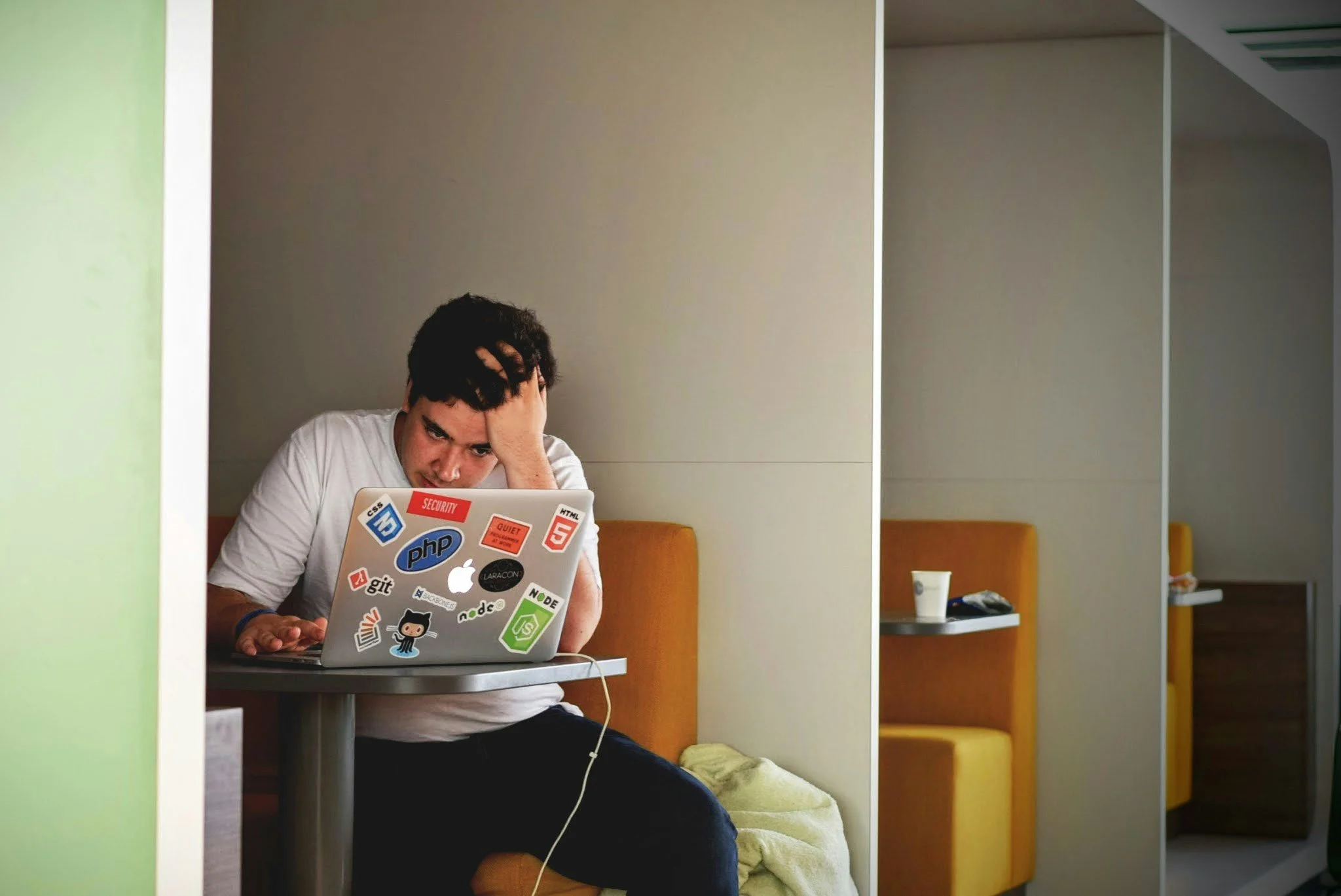
That’s when self-care becomes self-criticism. You’re no longer asking what you need; you’re asking why you can’t do softness “right.”
Hustle Culture: Never Enough, Never Done
Hustle culture thrives on scarcity. There’s never enough time, money, success, or validation. It tells you that rest must be earned and that slowing down means falling behind. Over time, this mindset seeps into how we see ourselves. We start to believe we’re not doing enough or being enough.
This is where the perfectionism epidemic and digital validation collide. Social media rewards constant output: better routines, better bodies, better habits, better lives. When everything is visible, it’s easy to feel like everyone else is winning while you’re barely keeping up. You scroll, compare, and suddenly your own life feels smaller.
No wonder so many of our clients come to us and ask, “why do I feel worse after trying every wellness trend?” When wellness becomes another metric to optimize, it stops being supportive and starts becoming another source of pressure.
The Promise of the Soft Life
The idea of a soft life emerges as an antidote. Living a soft life vs. hustle culture often gets framed as choosing ease over grind, presence over productivity, and contentment over constant striving. It’s a mentality rooted in enoughness: enough rest, enough effort, enough self-trust.
A soft life isn’t about doing nothing. It’s about doing what aligns—moving through life with less urgency and more intention. It asks different questions:
What feels nourishing?
What actually matters to me?
What can I let go of?
What can I lean into?
Where can I soften?
For many, the soft life feels like relief. But it can get complicated fast.
When the Soft Life Becomes Another Hustle
Here’s the subtle twist: when the soft life becomes something we perform for others, it stops being soft. Curated morning routines, perfectly lit matcha photos, “slow living” aesthetics—it can all turn into another checklist. Instead of resting, we’re busy proving that we rest well.
This is how choosing to live a soft life and not engage in hustle culture circles back on itself. We start hustling to appear soft. We chase ease the same way we chased productivity—through comparison and external approval.
That’s when self-care becomes self-criticism. You’re no longer asking what you need; you’re asking why you can’t do softness “right.” You might notice anxiety creeping in, or a sense of disconnection from yourself. You might even feel more pressure than before, just dressed up in calmer language.
Social Media and the Inner Disconnect
A huge part of this tension comes from how social media affects mood and sense of self. Platforms are designed to keep you looking outward—measuring your life against someone else’s highlight reel. Even when the content is about healing or slowing down, it still invites comparison.
You might notice behaviors that don’t feel like you: compulsive scrolling, overthinking your routines, struggling to put the phone down even when you want to rest. The more disconnected you feel internally, the louder the outside noise becomes.
This is why living a soft life vs. hustle culture isn’t really about aesthetics or productivity at all. It’s about reclaiming your inner authority—learning to trust what feels right for you, even when it isn’t visible or impressive.
Choosing Ease Without Performing It
A truly soft life is often quiet and unshareable. It might look like fewer habits, not more. Less content consumption. More pauses. More moments where you don’t optimize or document anything at all.
It means noticing when the old hustle voice shows up—the one that says you need to prove your worth—and gently choosing not to listen. It means allowing enoughness to be enough, even when no one sees it.
If you’re feeling anxious, disconnected, or tired of trying to get life “right,” you’re not failing. You’re responding to a system that benefits from your self-doubt. Living a soft life and not engaging in hustle culture is ultimately an invitation: to stop performing your healing and start inhabiting it.
And maybe, for now, that’s more than enough.
-
Explaining living a soft life vs. hustle culture comes down to values. Hustle culture is driven by scarcity—never enough time, success, or validation. The soft life is grounded in sufficiency and presence. Hustle culture asks, What more can I do? A soft life asks, What do I actually need?
-
This feeling is incredibly common. Many people ask, “why do I feel worse after trying every wellness trend?” because wellness culture often overlaps with perfectionism. When healing becomes another thing to optimize or get right, it can increase anxiety rather than reduce it.
-
For many people, yes. Hustle culture reinforces the idea that rest must be earned and worth must be proven. This can lead to chronic stress, anxiety, burnout, and feeling like you’re never doing enough—no matter how much you accomplish.
-
Absolutely. Living a soft life doesn’t mean giving up goals—it means redefining success. You can still grow, create, and work toward things that matter to you, just without urgency, burnout, or self-punishment as the driving forces.